
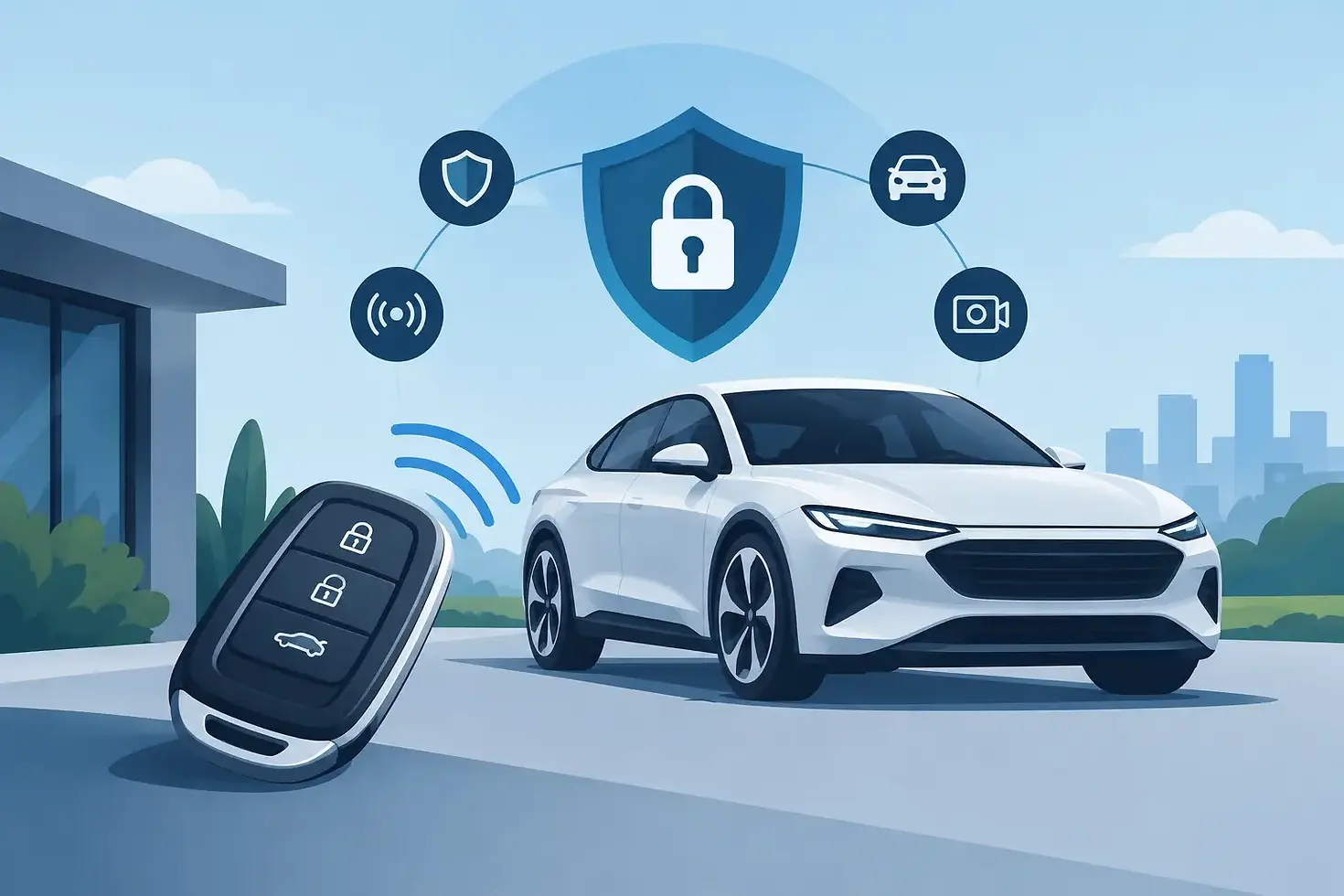
Security Upgrades for Keyless Vehicles That Work
A key fob should make your vehicle easier to live with, not easier to steal. Yet keyless convenience has changed the theft conversation for luxury and high-end vehicles. Thieves no longer need a broken window, a screwdriver, and time in the driver’s seat. In some cases, they can exploit the signals and electronics designed to make modern ownership effortless. The right security upgrades for keyless vehicles add a second line of defense where it counts: at the point of authorization to drive.
For owners across Nevada, Utah, Wyoming, and Colorado, that distinction matters. A vehicle can be parked at a resort, airport, downtown garage, trailhead, or driveway for hours at a time. Factory alarm systems may make noise after a break-in, but noise is not the same thing as preventing an engine start. Premium vehicle security should be designed to stop the theft attempt before the vehicle leaves the parking space.
Why Keyless Vehicles Need More Than a Factory Alarm
Keyless entry and push-button start systems rely on digital communication between the key, vehicle modules, and control systems. That technology is sophisticated, but it creates attack paths that did not exist on older vehicles. Relay attacks can extend the apparent range of a key fob. Other theft methods target the vehicle’s electronic network after physical access is gained.
The exact risk depends on the make, model, year, parking environment, and the way a vehicle is used. Not every keyless vehicle is vulnerable to every method, and not every owner needs the same level of protection. But owners should not assume that locking the doors, keeping the fob nearby, or relying on a factory alarm is enough to prevent an unauthorized start.
A factory system is usually built for broad compatibility, convenience, and compliance across an entire production line. It is not always engineered as a dedicated theft-prevention system for a specific high-value target. That is where a properly selected aftermarket immobilization solution changes the equation.
The Most Effective Security Upgrade: Digital Immobilization
A digital immobilizer adds a required authorization step before the vehicle can be driven. Even if someone gains access to the cabin, possesses a relayed key signal, or attempts to manipulate vehicle electronics, the engine remains disabled until the correct driver authorization is entered.
IGLA anti-theft systems are built around this principle. Rather than relying on an obvious add-on keypad or a visible switch that gives away the installation, an IGLA system can use existing factory controls for a personalized PIN sequence. The vehicle retains its original interior appearance while gaining an additional barrier between a thief and a successful start.
That OEM-preserving approach is especially valuable for luxury vehicles. You bought the vehicle for its engineering, design, and finish. A security upgrade should not leave aftermarket buttons drilled into a console, loose wiring under a dash, or a compromised factory feel. When correctly installed and configured for the vehicle, digital immobilization is discreet by design.
Why an Immobilizer Beats a Siren-Only Strategy
An alarm can be useful as part of a layered system, particularly if it alerts the owner to intrusion. But an alarm is reactive. It may draw attention after glass is broken or a door is opened, and many people have learned to ignore a siren in a busy parking lot.
An immobilizer focuses on the outcome thieves want most: moving the vehicle. If the vehicle cannot be started and driven, the theft attempt becomes more difficult, more time-consuming, and less attractive. That is the practical advantage of prevention over notification.
Build Layers, Not False Confidence
The strongest vehicle security plan is not based on one product or one habit. It combines electronic protection, sensible key management, and installation quality. A few measures work especially well together:
A digital immobilizer prevents an unauthorized engine start.
A signal-blocking pouch or properly stored fob can reduce relay-attack exposure at home.
A tracking and recovery solution can help locate a vehicle if a theft attempt succeeds.
Physical deterrents, such as a quality steering-wheel lock, can add visible friction in higher-risk parking situations.
These layers serve different purposes. A Faraday pouch addresses key-signal relay concerns, but it does not stop every electronic theft technique. GPS tracking may support recovery, but it does not prevent the vehicle from being taken. A steering-wheel lock can discourage opportunists, but it is not a replacement for electronic immobilization. Each tool is more effective when it supports the others.
Professional Installation Is Part of the Security System
Modern vehicles are rolling networks. They contain multiple controllers that communicate across dedicated data systems, and the installation process must respect those systems. This is not a generic wire-and-go accessory job.
Poor installation can create problems that have nothing to do with theft protection: warning lights, unreliable operation, battery drain, damaged trim, and difficult diagnosis later. On a premium vehicle, shortcuts are expensive. The right installer should understand the vehicle platform, use vehicle-appropriate installation methods, protect factory components, and verify operation before returning the car.
At Alien Garage, the goal is not to make a vehicle look modified. It is to add Out of This World protection while preserving the original cabin experience. That means placing security technology where it works best, configuring it for the owner, and keeping the result clean enough that the factory design remains the focus.
Vehicle-Specific Programming Matters
No two owners use their vehicles the same way. Some share a vehicle with a spouse or family member. Some use valet parking regularly. Some leave their vehicle with a service department, detailer, or tire shop. Others travel frequently and want a simple process for temporary access.
The configuration should reflect those realities. A well-planned setup includes a PIN method the owner can remember without making it obvious to an observer, plus clearly explained service or valet procedures when supported by the selected system. The best security system is one that owners will use correctly every day.
How to Choose Security Upgrades for Keyless Vehicles
Start with the vehicle, not the product name. A qualified shop should first confirm compatibility for the exact year, make, model, and trim. Electronic architecture can change within a model generation, so assumptions are not enough.
Next, consider where and how the vehicle is parked. A garage-kept weekend car has a different risk profile than a daily-driven SUV parked at offices, hotels, airports, and public garages. Owners who travel through multiple states or leave their vehicle unattended for long periods may place more value on layered protection and recovery planning.
Then consider the ownership experience. If factory appearance is non-negotiable, prioritize solutions that integrate through existing controls rather than adding visible hardware. If multiple drivers need access, make sure the authorization process is easy to teach. If valet and service visits are routine, ask how temporary access is handled before installation day.
Finally, choose the installer with the same care you would use when selecting the system. Product quality matters, but installation knowledge determines whether that product works as intended in your specific vehicle.
Practical Habits That Support Your Security System
Technology works best when paired with deliberate habits. Keep spare keys secured rather than stored inside the vehicle or near an exterior door. Be cautious about where you place key fobs at home, especially if the vehicle is parked close to the front of the house. When using valet service, avoid leaving unnecessary valuables and documents in the cabin.
It also pays to pay attention to unusual behavior. A keyless system that suddenly has reduced range, unexplained alerts, or inconsistent locking deserves inspection. These symptoms do not automatically mean a theft attempt, but they are worth addressing before they become a larger issue.
A premium vehicle deserves more than hope and a loud alarm. The right electronic immobilization, installed with precision and matched to the way you drive, lets you enjoy keyless convenience without handing over control. That is what modern protection should feel like: quiet, factory-clean, and ready when someone tries the wrong move.


Comments