
Guide to IGLA Immobilizer Installation
If you drive a high-value vehicle, theft protection is no longer a nice extra. It is part of ownership. This guide to IGLA immobilizer installation is built for owners who want real security without cutting up the factory interior, replacing core modules, or adding clunky aftermarket hardware that looks out of place.
IGLA stands out because it is designed to work quietly in the background. There is no visible keypad on the dash, no obvious tag hanging from the key ring, and no giveaway to a thief scanning the cabin. The system authorizes driving only after a personalized sequence is entered using existing factory buttons. That is a major reason luxury and premium vehicle owners choose it. The protection stays discreet, and the cabin keeps its OEM appearance.
What IGLA installation actually involves
A lot of people hear the word installation and assume it means a generic add-on with a few spliced wires and a quick programming session. On modern vehicles, especially European luxury models and high-end trucks and SUVs, that approach is exactly what you want to avoid.
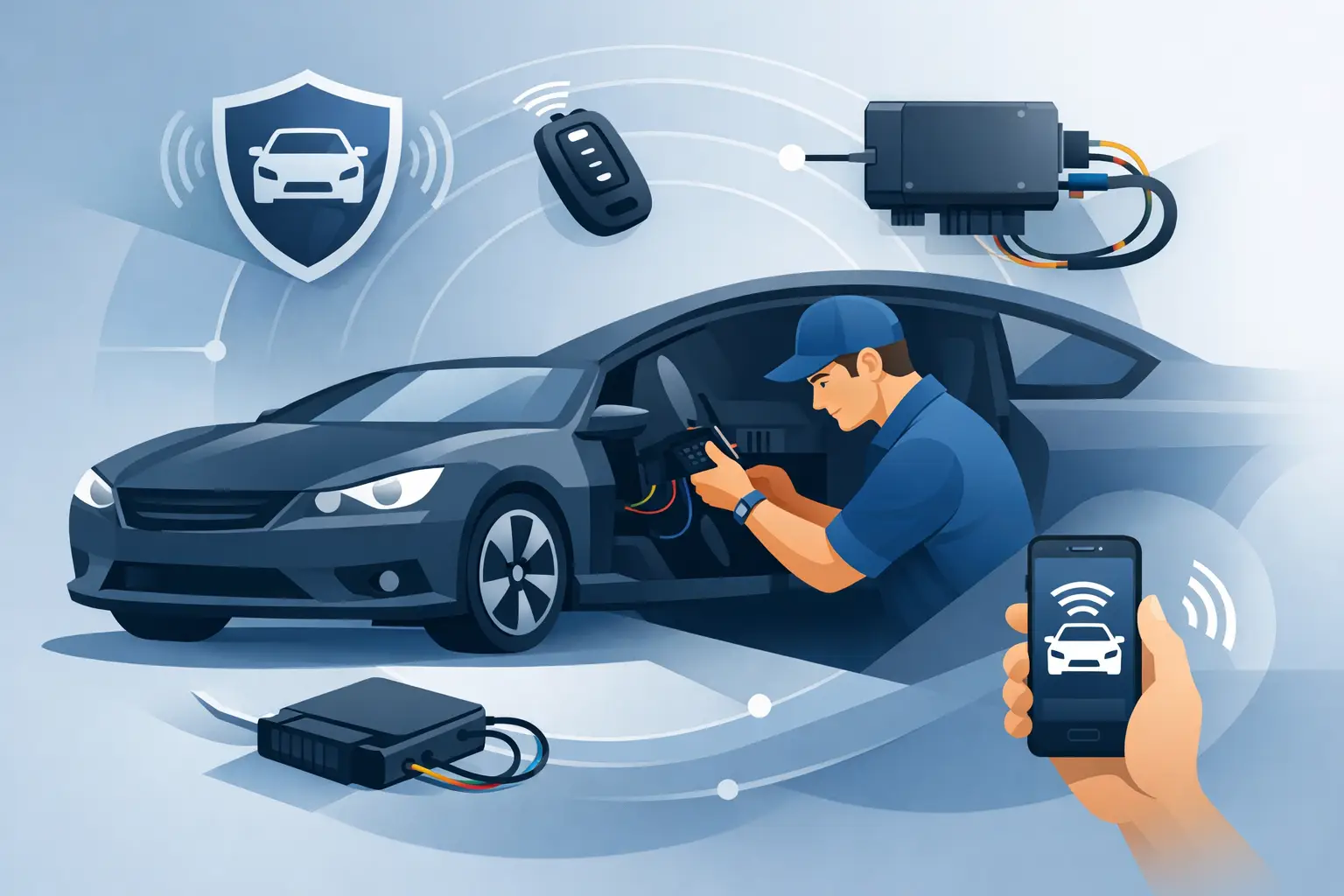
IGLA immobilizer installation is a vehicle-specific electronic integration process. The unit is connected to the vehicle's data network and configured to communicate with factory systems. Once installed, it blocks unauthorized engine operation unless the correct authorization method is used. Depending on the vehicle and setup, that could involve a PIN sequence through OEM controls and, in some cases, added convenience options tied to system programming.
The key detail is that this is not a one-size-fits-all job. Installation methods vary by platform, model year, network architecture, trim level, and any existing aftermarket electronics already in the vehicle. A clean result depends on knowing where the system belongs, how to integrate it without creating faults, and how to test it correctly after setup.
A practical guide to IGLA immobilizer installation
From the owner's side, the process starts before the first panel is removed. The first step is confirming vehicle compatibility and identifying the exact security goal. Some owners want straightforward anti-theft protection. Others want a setup that works alongside additional security layers like a GPS tracker, factory alarm, or other vehicle-specific anti-hijack features. The right install plan depends on the car and on how you use it.
Once compatibility is verified, the installer maps out where the module will be integrated and how the vehicle will be disassembled safely. On premium vehicles, trim removal matters. A rushed shop can leave behind rattles, damaged clips, scratched panels, or signs that the cabin has been opened up. On a vehicle with a carefully designed factory interior, that kind of work is unacceptable.
After physical access is established, the module is connected into the appropriate circuits and communication pathways for that platform. This is where technical experience matters most. The system has to be mounted securely, wiring has to be handled cleanly, and nothing should interfere with factory operation. A proper install should feel invisible once complete.
Programming comes next. The installer pairs the system to the vehicle, confirms communication, sets the authorization method, and tests start-blocking behavior under real-world conditions. That testing stage is not optional. It is how you verify that the vehicle starts and operates normally for the authorized user, while remaining locked down against unauthorized use.
The final stage is owner handoff. You should leave knowing how to enter the PIN sequence, what to do if you need service on the vehicle, and how to use any emergency override or service mode functions if they apply to your setup. A premium security system is only as good as the clarity of the handoff.
Why professional installation matters more than the hardware alone
IGLA is excellent hardware, but great hardware can still be undermined by poor installation. That is the part many drivers miss.
On older vehicles, a careless install might just create cosmetic issues or occasional electrical gremlins. On newer luxury vehicles, a careless install can trigger warning lights, communication faults, battery drain, comfort-system glitches, or service headaches that take far longer to diagnose than the original install itself. Modern cars are packed with sensitive modules. You need a specialist who treats that network with respect.
That is especially true if your goal is preserving OEM integrity. Many high-end owners do not want anything visible added to the cabin. They do not want butchered harnesses, mismatched trim, or evidence that the vehicle has been altered. They want protection that feels factory-minded. That requires precision.
There is also a strategy side to installation. A specialist knows how to place and configure the system so it is difficult to identify and bypass. A generic shop may understand basic wiring, but premium security work is about more than making the device turn on. It is about making the final result effective, discreet, and dependable.
What vehicle owners should ask before booking
If you are comparing installers, ask how often they work on your exact brand or platform. Ask whether they understand factory network architecture and whether they have experience preserving interior fit and finish on premium vehicles. Ask how they test the system after installation and what owner instruction is included.
You should also ask how the install interacts with dealer service. A good installer will explain service mode, reauthorization, and any practical steps you may need when the vehicle goes in for maintenance. This is not a red flag. It is simply part of owning advanced electronics on an advanced vehicle.
Another good question is whether the shop routinely installs layered protection systems. Even if you only want IGLA now, an installer who understands broader vehicle security usually brings stronger diagnostic discipline and cleaner planning to the table.
Common concerns about IGLA immobilizer installation
One of the biggest concerns is whether the system changes the look of the car. In a properly executed install, it should not. That is one of the strongest advantages of IGLA for luxury owners. It works with what is already in the vehicle rather than forcing obvious aftermarket hardware into the cabin.
Another concern is convenience. Some drivers worry that entering an authorization sequence will feel annoying every time they start the vehicle. In practice, it depends on the driver and the setup. Most owners adapt quickly because the trade-off is meaningful protection against theft methods that defeat factory key systems. The brief extra step becomes part of the routine.
There is also the question of resale. For many premium buyers, a discreet security upgrade installed cleanly is far more appealing than visible aftermarket modifications. Still, documentation matters. A professional installer should explain the system clearly and make sure the owner knows how it operates if the vehicle changes hands later.
The trade-offs: what this system is and what it is not
IGLA is powerful, but it is not magic. It is designed to prevent unauthorized driving of the vehicle. That makes it exceptionally effective against many common theft scenarios, especially where thieves rely on key cloning, relay attack methods, or quick electronic access. But the broader theft environment still matters.
If your vehicle is parked long term in vulnerable locations, or if you want recovery capability in addition to immobilization, a layered strategy may make more sense. Some owners want IGLA as the core defense and then add other tools around it. Others simply want the strongest possible drive-away theft prevention with minimal visual impact. It depends on risk, vehicle type, and daily use.
That is why the best installation conversations are not just about the module. They are about the owner's habits, where the vehicle lives, and how much convenience versus maximum lockdown they want built into the system.
Choosing the right installer for the job
A true guide to IGLA immobilizer installation has to end here, because the installer is the difference between premium protection and a costly headache. You are not shopping for a commodity. You are choosing who gets access to the electrical architecture of a valuable vehicle.
Look for a shop that specializes in advanced automotive electronics, understands premium platforms, and treats factory integration as a standard rather than a bonus. The right specialist will talk clearly, work cleanly, and respect the design of the vehicle as much as its security.
At Alien Garage, that mindset is part of the mission - Out of This World protection for owners who expect more than generic aftermarket work. And that is the real goal with IGLA: security that does its job without disturbing everything you already love about the car.
When theft prevention is done right, it should feel almost invisible right up until the moment someone unauthorized tries to take your vehicle and gets stopped cold.


Comments