
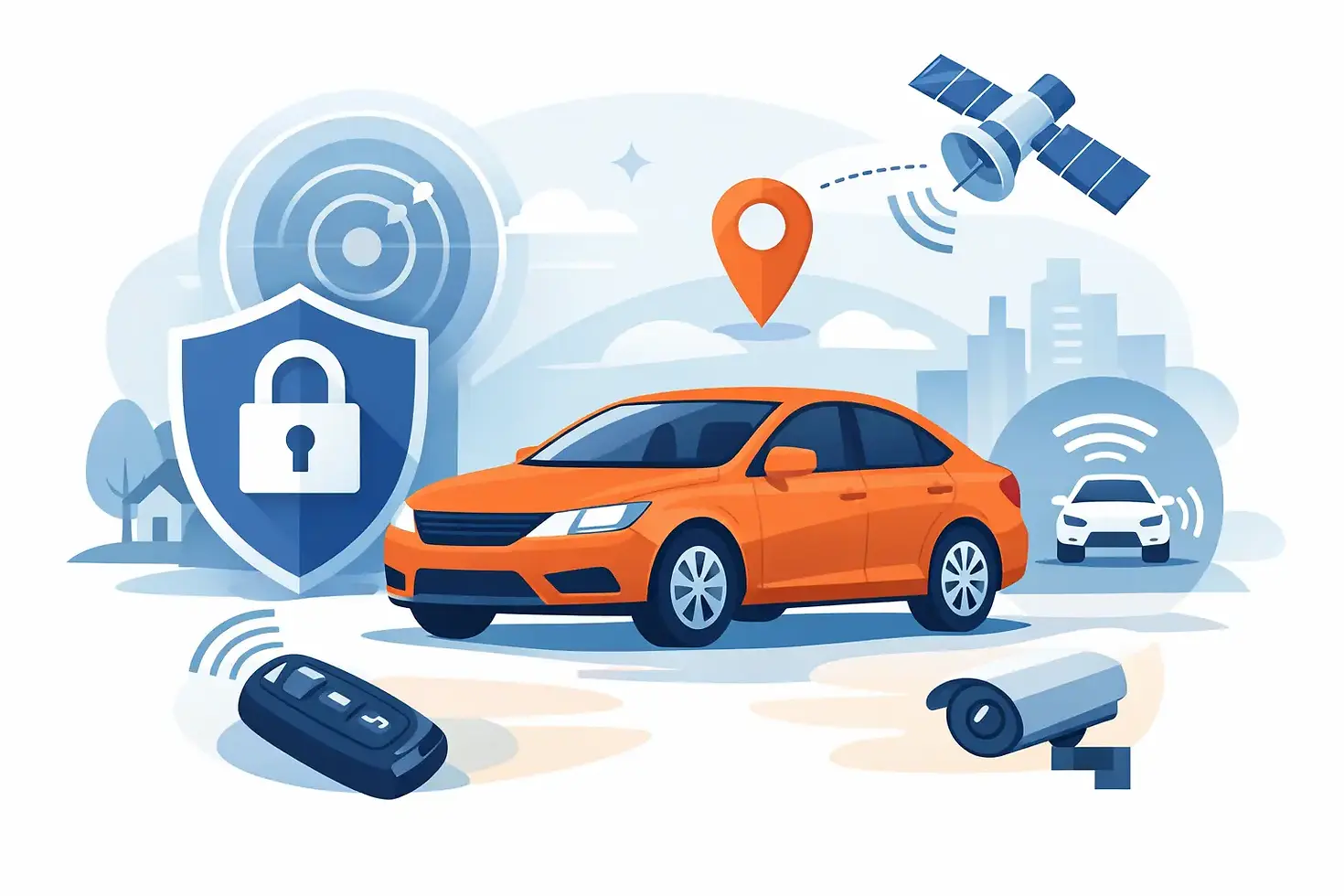
What Is Anti Theft Protection for Cars?
A stolen vehicle rarely disappears because the owner forgot to lock the doors. More often, it happens because the thief knew exactly how to get around the factory system. That is the real answer behind the question what is anti theft protection - it is any technology or strategy designed to stop unauthorized access, prevent the vehicle from being driven away, and make your car a much harder target in the first place.
For owners of luxury and high-end vehicles, that definition matters. Premium vehicles often come with advanced electronics, push-button start, and factory immobilizers, but those same conveniences can create new attack points. If your vehicle is valuable, desirable, and easy to resell or strip for parts, basic security is not always enough.
What is anti theft protection, really?
Anti theft protection is a broad term for systems that reduce the chance of vehicle theft. Some methods are visible, like steering wheel locks or alarms. Others work behind the scenes, like encrypted immobilizers, PIN-based authorization, or modules that block the vehicle from starting unless the correct sequence is entered.
The key point is this: anti theft protection is not one product category. It is a layered approach. A loud siren might draw attention, but it will not always stop a skilled thief. A hidden immobilization system may be far more effective, especially against modern theft methods that rely on cloned keys, relay attacks, or diagnostic port access.
That is why asking what is anti theft protection is really asking a bigger question - what kind of protection actually works against the way cars are stolen now?
Why factory security is not always enough
Automakers build in security features for mass production, broad usability, and regulatory compliance. That gives you a baseline level of protection. It does not always give you specialized protection.
Factory systems are designed to work for millions of drivers across many markets. Thieves study those systems at the same scale. Once a vulnerability becomes widely understood, an expensive vehicle with only factory security can become surprisingly predictable.
Push-to-start vehicles are a good example. Convenience is great when you are walking out of a ski lodge in Colorado or heading to dinner in Las Vegas. It is less great when a relay device can extend the signal from your key fob and make the car believe the key is nearby. In other cases, thieves use programmer tools through the diagnostic port to add a new key. That is not smash-and-grab theft. It is electronic theft, and it is quiet.
For premium vehicle owners, that changes the conversation. Security is no longer just about locking the car. It is about controlling authorization.
The main types of anti theft protection
Some anti theft tools are deterrents. Others are barriers. The strongest systems do both.
Visible deterrents include alarms, flashing LEDs, etched glass, wheel locks, and steering wheel bars. These can make a vehicle look less appealing to an opportunist. They still have value, especially when combined with other measures, but experienced thieves often know how to work around them.
Tracking systems serve a different purpose. They may help locate a vehicle after it has been stolen. That can improve recovery odds, but recovery is not the same as prevention. If the goal is to keep the theft from happening at all, tracking should not be the only plan.
Immobilization systems are where modern protection gets much more serious. These systems prevent the engine from starting or the vehicle from moving unless the proper authorization is present. In advanced versions, authorization is not tied only to the key. It can require a secret button sequence using existing factory controls inside the vehicle. Without that sequence, the car remains disabled even if the thief has a cloned key or temporary electronic access.
That style of protection is especially relevant for newer luxury vehicles because it preserves the factory appearance. Nothing obvious is added to the interior, and there is no aftermarket look that clashes with the cabin design.
What good anti theft protection should actually do
A quality system should do more than make noise. It should interrupt the theft process at a critical point.
In practice, the most effective anti theft protection usually does three things. First, it adds a layer the thief is not expecting. Second, it prevents quick electronic takeover methods from turning into a successful drive-off. Third, it does all of this without creating daily frustration for the owner.
That last point matters more than people think. A security system that is annoying, unreliable, or visually intrusive often gets ignored or disabled. High-end vehicle owners typically want protection that feels integrated, not patched on as an afterthought.
That is one reason systems like IGLA have gained attention among owners who want serious protection without changing the look and feel of the vehicle. Rather than replacing the personality of the car with bulky aftermarket hardware, this approach works within the vehicle’s electronic architecture to add an extra authorization layer.
Anti theft protection vs. anti break-in protection
These terms often get mixed together, but they are not exactly the same.
Anti break-in protection focuses on stopping unauthorized entry into the cabin or trunk. That includes reinforced locks, glass sensors, door triggers, and alarm responses. It is about preventing access.
Anti theft protection is broader. It includes break-in prevention, but it also covers stopping the vehicle from being started, shifted, or driven away. A thief can enter a vehicle without stealing it, and a thief can steal a vehicle with minimal visible break-in damage. Modern theft often targets the vehicle’s electronics more than its door locks.
If you own a premium SUV, truck, or performance car, you should be thinking beyond entry protection. You want to stop movement.
Who needs upgraded anti theft protection?
Not every driver needs the same level of security. It depends on the vehicle, where it is parked, how often it travels, and how attractive it is to thieves.
Owners of luxury brands, high-trim trucks, performance models, and newer push-to-start vehicles should pay close attention. The same goes for anyone who parks at airports, apartment complexes, downtown garages, resort areas, or other locations where vehicles sit unattended for long periods.
Regional patterns matter too. In the western United States, vehicle owners often balance urban exposure with long-distance travel, seasonal recreation, and hotel parking. A vehicle might be parked in a secure garage one night and at a trailhead or resort the next. That kind of usage makes layered protection more valuable.
Choosing the right anti theft setup
The best setup depends on your risk level and your expectations. If your priority is simple visual deterrence, basic tools may help. If your priority is real theft prevention against modern methods, you need more than a flashing light and a siren.
Start by asking a few practical questions. Is your vehicle commonly targeted? Does it use keyless entry and push-button start? Do you want hidden protection that preserves the OEM interior? Are you trying to prevent theft, improve recovery, or both?
From there, it becomes easier to choose the right combination. Some drivers benefit from a hidden immobilizer plus a tracker. Others want a discreet authorization system that blocks unauthorized starts while keeping the vehicle looking factory. There is no universal answer, but there is a clear difference between generic aftermarket security and specialist-installed protection designed for sophisticated vehicles.
Professional installation matters here. A premium vehicle is not the place for guesswork, loose wiring, or low-level integration. The whole point is to add security without compromising the vehicle’s electronics, appearance, or everyday usability. That is where a specialist shop earns its reputation.
The real value of anti theft protection
The value is not just in the car itself. It is in the disruption you avoid.
A theft can mean insurance claims, rental costs, time off your schedule, damage recovery, lost personal items, and the possibility that the vehicle is found with mechanical or interior damage even if it is recovered. For many owners, the biggest benefit of anti theft protection is not financial on paper. It is the confidence that the vehicle is far less vulnerable when it is out of sight.
That confidence is worth a lot when you drive something you care about.
For premium vehicles, the smartest security upgrades are the ones that stay invisible, work reliably, and force a thief to move on to an easier target. That is the kind of protection that feels Out of This World for the right reasons - not flashy, not gimmicky, just engineered to make theft a much harder mission.
If you are asking what is anti theft protection, the best answer is simple: it is the difference between hoping your factory system is enough and knowing your vehicle has another line of defense.


Comments