

Premium Vehicle Security Systems That Stay Invisible
- marco402364
- 18 hours ago
- 5 min read
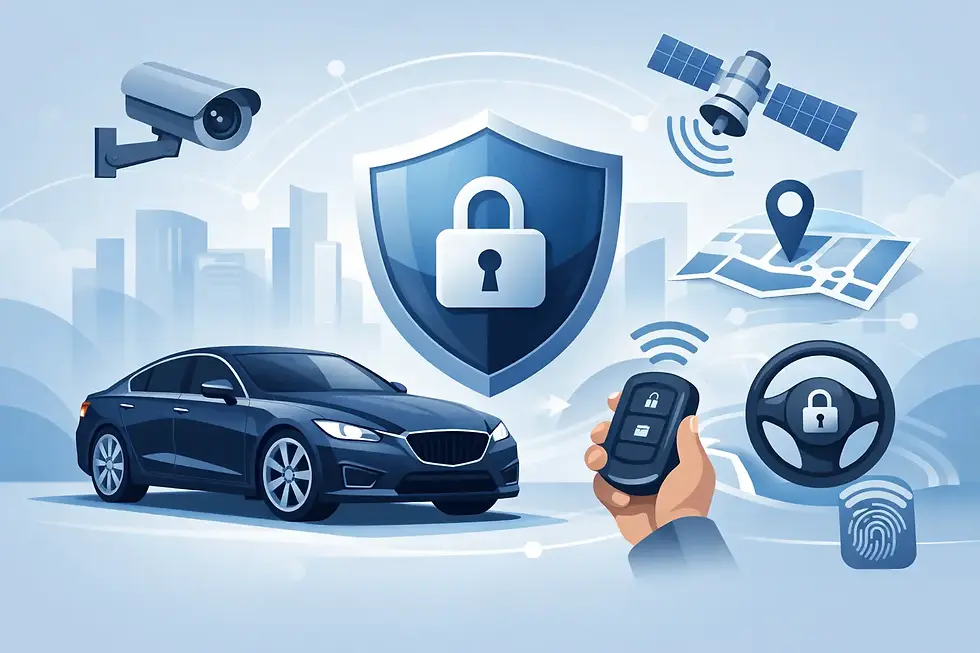
A stolen luxury vehicle is not just an insurance claim. It can mean weeks without transportation, personal information left in the cabin, damage from forced entry, and the frustration of seeing a vehicle you carefully chose become an easy target. Premium vehicle security systems are designed for owners who expect more than a blinking LED, a loud siren, or a factory key fob that thieves already know how to defeat.
For high-end vehicles, the right security upgrade should work quietly in the background. It should add meaningful protection without cluttering the interior, changing the vehicle's character, or creating another remote to carry. That is the standard: serious theft deterrence with an OEM-quality ownership experience.
What Premium Vehicle Security Systems Should Do
A premium security system is not defined by the number of features on a spec sheet. It is defined by whether it stops the theft methods that matter for your vehicle, while remaining dependable enough to use every day.
Modern thieves do not always break a window and hot-wire a car. Relay attacks, key programming tools, diagnostic-port access, and electronic bypass techniques have changed the threat. Factory immobilizers and keyless entry systems are convenient, but convenience can also create an opening when criminals understand the electronics behind the vehicle.
That is why a true high-end solution centers on authorization. Before the vehicle can be driven, the system verifies that the correct user is present through a secure input sequence or authorized method. Even if someone gains access to a working key, clones a signal, or enters the cabin, they still face another barrier between access and movement.
The best systems are also discreet. Visible aftermarket hardware can advertise that a car has been modified and give an experienced thief a place to start looking. A properly integrated immobilizer does not need a conspicuous keypad, an oversized dash-mounted indicator, or an interior full of extra controls. The goal is protection that feels native to the vehicle.
Why an Alarm Alone Is Not Enough
Alarms still have a role. A shock sensor, tilt sensor, or siren can draw attention to a break-in attempt, and a tracking solution may help locate a vehicle after it is taken. But neither approach is the same as preventing the vehicle from being driven away.
A siren reacts after an intrusion. In a parking structure, a busy apartment complex, or a hotel lot, people often ignore it. GPS tracking can provide valuable information, but recovery may take time, and recovery does not guarantee the vehicle returns undamaged. A vehicle can be stripped, used in another crime, or moved into a location where tracking becomes difficult.
Immobilization changes the equation. Rather than relying on a passerby to notice an alarm or hoping law enforcement reaches the vehicle quickly, it is designed to interrupt the theft attempt at the point that matters most: starting and operating the vehicle.
That does not mean every owner needs the same package. A weekend sports car stored in a secure garage has different needs than a daily-driven SUV parked at airports, office lots, and trailheads. The strongest plan considers how, where, and how often the vehicle is exposed.
The Case for a Hidden Digital Immobilizer
For many luxury and performance vehicles, a digital immobilizer is the centerpiece of a layered security strategy. Systems such as IGLA are designed to prevent unauthorized engine operation through vehicle-specific integration. Instead of replacing factory electronics or adding a conspicuous aftermarket interface, the system works within the vehicle's existing control environment.
The driver authorizes the vehicle using a personalized sequence through existing factory buttons or controls. To an unauthorized person, the cabin still looks stock. To the owner, the process becomes a quick part of getting in and driving.
This approach has practical advantages. There is no separate fob to lose or copy, no obvious switch to find, and no need to give up the clean interior that made you choose the vehicle in the first place. On a premium vehicle, that matters. A security upgrade should not make the cabin feel like a generic aftermarket build.
There are trade-offs to understand. Any authorization step adds a moment to the start-up routine. Drivers who share a vehicle will need to learn the process, and valet, service, or body-shop visits require a properly configured service mode. Those are manageable details, but they are worth discussing before installation. Good security should be powerful without becoming inconvenient.
Installation Quality Is Part of the Security System
The hardware is only one part of the result. Sophisticated vehicles have complex networks, sensitive electronics, factory diagnostics, advanced driver-assistance systems, and interiors that demand careful handling. An installation that is rushed, poorly concealed, or improperly programmed can create problems no owner wants to chase later.
Professional installation begins with vehicle knowledge. The installer should understand the platform, identify the appropriate integration points, protect wiring correctly, and configure the system for the owner's real-world use. That includes verifying normal vehicle operation before delivery and making sure the owner understands authorization, service mode, and any companion features.
Clean work matters for more than appearance. Secure connections, correct routing, careful reassembly, and discreet module placement help support long-term reliability. On vehicles with premium trim, custom finishes, or complicated dashboards, preserving factory fit and finish is nonnegotiable.
It is also wise to be cautious about universal, bargain-priced security kits. A low initial price can hide a costly compromise if the system is poorly matched to the vehicle or installed by a shop without platform-specific experience. The right question is not simply, “What does the module cost?” It is, “Will this solution protect my vehicle without creating new issues?”
Build Protection Around Your Actual Risk
Premium vehicle security systems work best as part of a thoughtful plan. Immobilization is often the first priority because it addresses drive-away theft. From there, owners can decide whether additional layers make sense based on their vehicle and routine.
For example, a driver who frequently leaves a vehicle in public garages may value motion or tilt detection to address wheel theft and towing attempts. An owner who travels often may want recovery support in case of a break-in or transport theft. A high-profile performance vehicle may benefit from multiple layers simply because it attracts more attention.
Physical habits still matter. Keep keys away from entry points at home, avoid leaving valuables visible, and be deliberate about where the vehicle is parked during overnight travel. Security technology is strongest when it is paired with habits that reduce opportunity.
The ideal setup is not always the most complicated one. Too many visible accessories, extra remotes, and features that are never used can undermine the ownership experience. A well-selected package should feel intentional: discreet when parked, simple when driving, and hard to defeat when it counts.
Questions to Ask Before You Upgrade
Before choosing a security solution, ask whether it is designed specifically for your vehicle's electronic architecture or merely adapted to fit. Ask how authorization works, what happens during dealership service, and whether the installer will demonstrate every operating mode at delivery.
Also ask about the installer's experience with luxury vehicles. This is not about gatekeeping. It is about protecting a complicated asset. A shop that regularly works with high-end platforms understands why OEM panel alignment, clean wiring practices, diagnostic awareness, and concealment are all part of the job.
At Alien Garage, the focus is on product-backed, professionally installed protection for owners who want their vehicle to remain unmistakably theirs. That means prioritizing advanced anti-theft technology while preserving the factory appearance and driving experience that make a premium vehicle worth owning.
Your vehicle should not have to look modified to be better protected. Choose security that is engineered around prevention, installed with precision, and simple enough that you will use it correctly every time you drive.


Comments